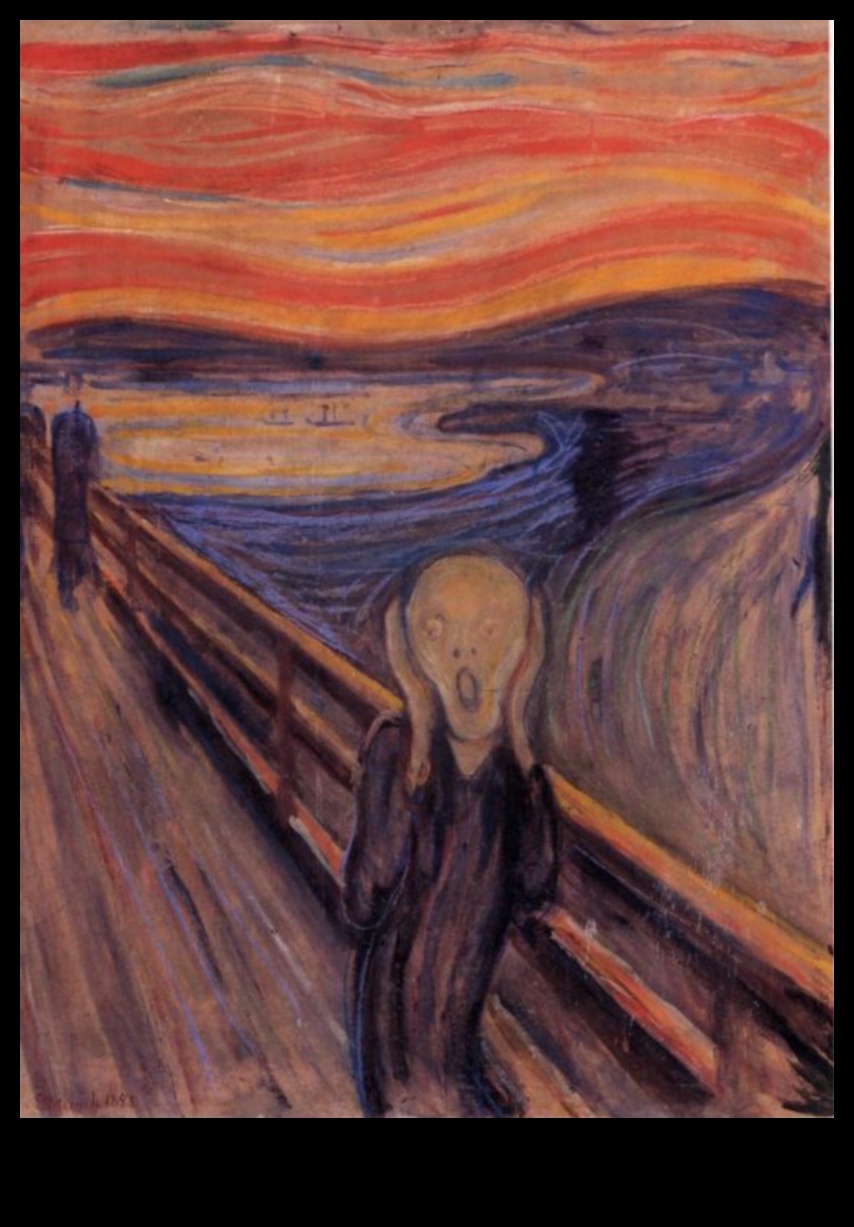
Abstract Allegiance: Defying Realism in the Modernist Movement
Abstract art is a type of art that does not depict any recognizable objects or figures. Instead, it focuses on using shapes, colors, and lines to create a purely abstract visual experience. Abstract art emerged in the early 20th century as a reaction to the realism and naturalism that had dominated Western art for centuries. Abstract artists sought to create a new kind of art that was not bound by the conventions of representation.
The modernist movement was a period of great artistic experimentation, and abstract art was one of the most radical and innovative developments of the time. Abstract artists rejected the traditional notion that art should depict the real world, and instead they embraced the idea that art could be a purely subjective expression of the artist’s inner thoughts and feelings.
Abstract art had a profound impact on the broader art world. It paved the way for new forms of expression, and it helped to free artists from the constraints of traditional representation. Abstract art is now considered to be one of the most important and influential art movements of the 20th century.
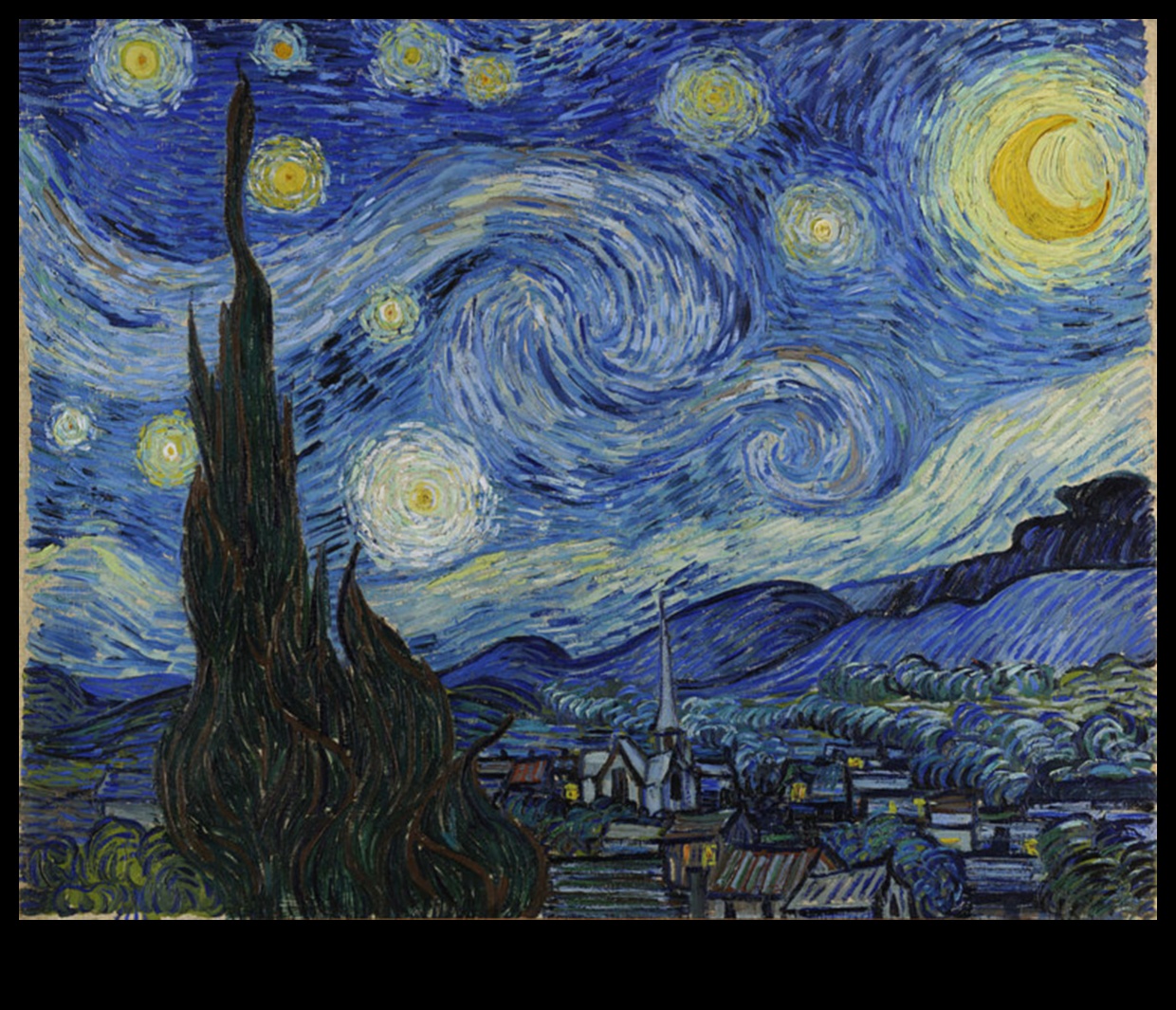
Abstract Art
The roots of abstract art can be traced back to the early 20th century, when a group of artists in Paris began to experiment with new ways of representing the world. These artists, who came to be known as the Fauves, were influenced by the work of Vincent van Gogh and Paul Gauguin. They rejected the traditional use of color and form, and instead they used bold colors and simplified shapes to create a more expressive and emotional type of art.
In the years that followed, other artists continued to push the boundaries of abstraction. In 1910, Wassily Kandinsky published his book On the Spiritual in Art, in which he argued that art should be a purely subjective expression of the artist’s inner thoughts and feelings. Kandinsky’s work was an important influence on the development of abstract expressionism, a movement that emerged in the United States in the 1940s.
Abstract expressionism was the most radical form of abstract art, and it rejected all forms of representation. Abstract expressionist artists used bold colors, gestural brushstrokes, and non-objective forms to create a highly personal and emotional type of art. The leading figures of abstract expressionism include Jackson Pollock, Willem de Kooning, and Mark Rothko.
Abstract art continued to develop in the years that followed, and it has become one of the most important and influential art movements of the 20th century. Today, abstract art is seen as a valid form of expression, and it is collected by museums and galleries around the world.
Different Types of Abstract Art
There are many different types of abstract art, and each type has its own unique characteristics. Some of the most common types of abstract art include:
- Geometric abstraction
- Color field painting
- Action painting
- Minimalism
- Conceptual art
Each of these types of abstract art has its own unique set of techniques and styles. For example, geometric abstraction uses geometric shapes and forms to create a structured and orderly type of art. Color field painting uses large areas of flat color to create a more meditative and contemplative type of art. Action painting uses gestural brushstrokes and dripping paint to create a more expressive and energetic type of art. Minimalism uses simple shapes and forms to create a more pared-down and minimal type of art. Conceptual art uses ideas and concepts rather than images to create a more intellectual and challenging type of art.
These are just a few of the many different types of abstract art. There is no one right way to create abstract art, and each artist is free to explore their own unique style.
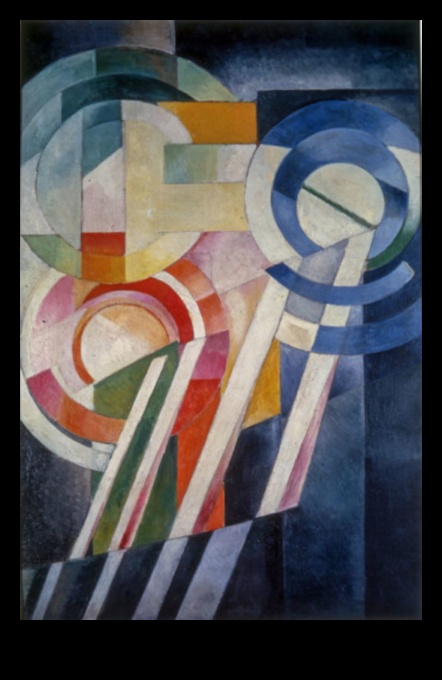
Elements of Abstract Art
Abstract art is not bound by the conventions of representation, and artists are free to use any elements they want to create their work. However, there are some elements that are more commonly used in abstract art than others. These elements include:
- Shapes
- Colors
- Lines
- Textures
- Space
- Geometric abstraction
- Color field painting
- Expressionism
- Abstract expressionism
- Minimalism
- Cubism
- Surrealism
- Abstractionism
- Line
- Shape
- Color
- Texture
- Space
- Movement
- Form
- Space
- Color
- Line
- Texture
- Value
- Movement
- Rhythm
- Balance
- Unity
- Wassily Kandinsky
- Piet Mondrian
- Jackson Pollock
- Mark Rothko
- Franz Kline
- Agnes Martin
- Cy Twombly
- Barnett Newman
- Lee Krasner
- Using paint, markers, or other drawing materials to create shapes, lines, and colors on a canvas or other surface.
- Collaging different materials together to create a collage.
- Using found objects to create a sculpture or installation.
- Creating digital art using a computer or other electronic device.
- Do your research and learn about different artists and styles of abstract art.
- Consider the size, medium, and color of the artwork before you buy it.
- Make sure you are comfortable with the price of the artwork before you buy it.
- Buy from a reputable dealer or gallery.
- Online art galleries, such as Saatchi Art and Artspace, offer a wide variety of abstract art for sale.
- Galleries, such as the Guggenheim Museum and the Museum of Modern Art, often have exhibitions of abstract art.
- Art fairs, such as the Armory Show and the Art Basel Miami Beach, bring together dealers from all over the world to sell their work.
- Abstract art can be a beautiful addition to any home or office.
- Abstract art can be a source of inspiration and creativity.
- Abstract art can be a conversation starter.
- Abstract art can be a valuable investment.
- Do your research and learn about the different styles of abstract art.
- Buy art from reputable galleries and dealers.
- Be prepared to pay a premium for high-quality abstract art.
| Feature | Description |
|---|---|
| Abstract art | Art that does not represent objects in a realistic way |
| Modernism | A movement in art, literature, and music that began in the late 19th century |
| Realism | A style of art that depicts objects in a realistic way |
| Art movement | A group of artists who share a common style or approach to art |
| Defiance | The act of resisting or opposing something |
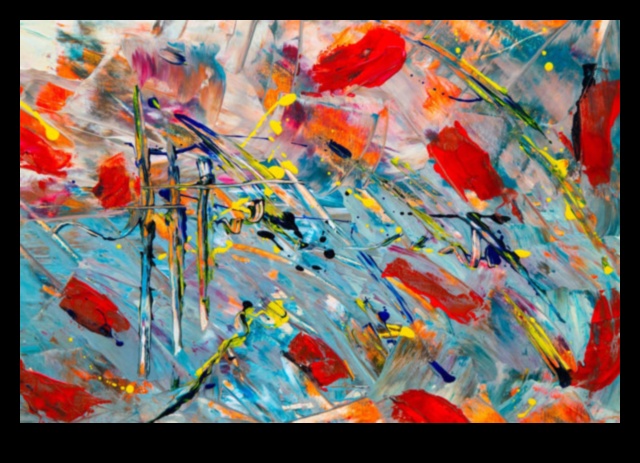
II. Abstract Art
Abstract art is a type of visual art that does not attempt to represent objects in the real world. Instead, it uses shapes, colors, and lines to create a work of art that is purely abstract.
The history of abstract art can be traced back to the early 20th century, when artists began to experiment with new ways of representing the world around them.
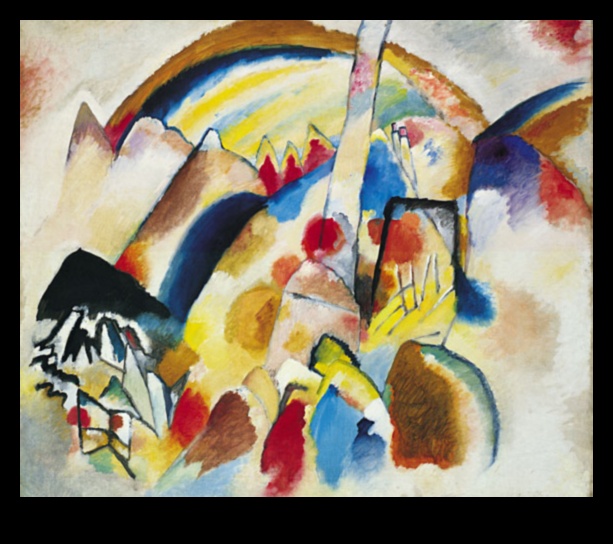
One of the earliest pioneers of abstract art was Wassily Kandinsky, a Russian painter who began creating abstract paintings in the early 1900s. Kandinsky believed that colors and shapes could evoke emotions in the viewer, and he used these elements to create paintings that were both visually striking and emotionally powerful.
Other important figures in the history of abstract art include Piet Mondrian, Kazimir Malevich, and Jackson Pollock. These artists all experimented with different styles of abstract art, and their work helped to shape the development of the movement.
Today, abstract art is a major part of the art world, and it continues to be a popular form of expression for artists around the globe.
III. Different Types of Abstract Art
There are many different types of abstract art, each with its own unique characteristics. Some of the most common types of abstract art include:
Each of these types of abstract art has its own unique set of characteristics, and artists often use different techniques to create their work. For example, geometric abstraction often uses simple geometric shapes and forms, while color field painting focuses on the use of color and light. Expressionism is often characterized by its emotional intensity, while abstract expressionism is known for its use of bold colors and gestural brushstrokes. Minimalism is characterized by its simplicity and restraint, while Cubism is known for its fractured and fragmented forms. Surrealism is often characterized by its dreamlike and fantastical imagery, while abstractionism is known for its exploration of the subconscious mind.
The different types of abstract art can be used to express a wide range of emotions and ideas, and they can be found in a variety of settings, from museums and galleries to private homes and offices.
IV. Elements of Abstract ArtThe elements of abstract art are the basic building blocks of the work. They include:
These elements can be used in different ways to create a variety of abstract artworks. For example, lines can be used to create geometric shapes, shapes can be used to create patterns, and colors can be used to create mood and atmosphere.
The elements of abstract art are not limited to the traditional visual elements of art. They can also include sound, movement, and performance. This allows abstract artists to create works that are more immersive and interactive than traditional paintings and sculptures.
The elements of abstract art are essential for understanding and appreciating this unique art form. They are the building blocks that allow artists to express their creativity and communicate their ideas in a visual way.
V. Principles of Abstract Art
The principles of abstract art are the underlying elements and techniques that artists use to create abstract works of art. These principles include:
Each of these principles can be used in different ways to create a variety of different effects. For example, form can be used to create a sense of depth or movement, space can be used to create a sense of openness or enclosure, and color can be used to create a sense of warmth or coolness. By understanding and experimenting with these principles, artists can create abstract works of art that are both visually appealing and expressive.
VI. Famous Abstract Artists
The following is a list of some of the most famous abstract artists:
These artists are all considered to be pioneers of abstract art, and their work has had a profound impact on the development of the art form. Their paintings are often characterized by their use of bold colors, geometric shapes, and non-representational imagery. They are also known for their experimentation with new techniques and materials, and their work has helped to push the boundaries of what is considered to be art.
VII. How to Create Abstract Art
Abstract art can be created in a variety of ways, using a variety of materials and techniques. There is no one right way to create abstract art, and the best way to learn is to experiment and find what works for you.
Some common methods of creating abstract art include:
When creating abstract art, it is important to let go of any preconceived notions of what art should be. The goal is to create something that is personal and expressive, and that does not conform to any particular style or genre.
There are no rules when it comes to abstract art, so feel free to experiment and see what you can come up with. The most important thing is to have fun and to create something that you are proud of.
Where to Buy Abstract Art
There are many different ways to buy abstract art, including online, at galleries, and from art fairs.
Here are some tips for buying abstract art:
Here are some of the best places to buy abstract art:
No matter where you buy your abstract art, be sure to do your research and make sure you are getting a piece of art that you love.
There are many benefits to collecting abstract art, including:
If you are considering collecting abstract art, there are a few things to keep in mind.
If you are patient and do your research, you can find beautiful and affordable abstract art that will add value to your life for years to come.
Basic Questions
Q1: What is abstract art?
A1: Abstract art is a type of art that does not depict recognizable objects or scenes. Instead, it uses shapes, colors, and lines to create a visual experience that is not tied to any specific subject matter.
Q2: What are the different types of abstract art?
A2: There are many different types of abstract art, but some of the most common include:
* Abstract expressionism
* Color field painting
* Minimalism
* Op art
* Kinetic art
Q3: What are the benefits of collecting abstract art?
A3: There are many benefits to collecting abstract art, including:
* It can be a great way to add visual interest to your home or office.
* It can be a good investment, as abstract art can often appreciate in value over time.
* It can be a way to express your own creativity and personality.