Capturing Life: Realism’s Enduring Legacy in Art
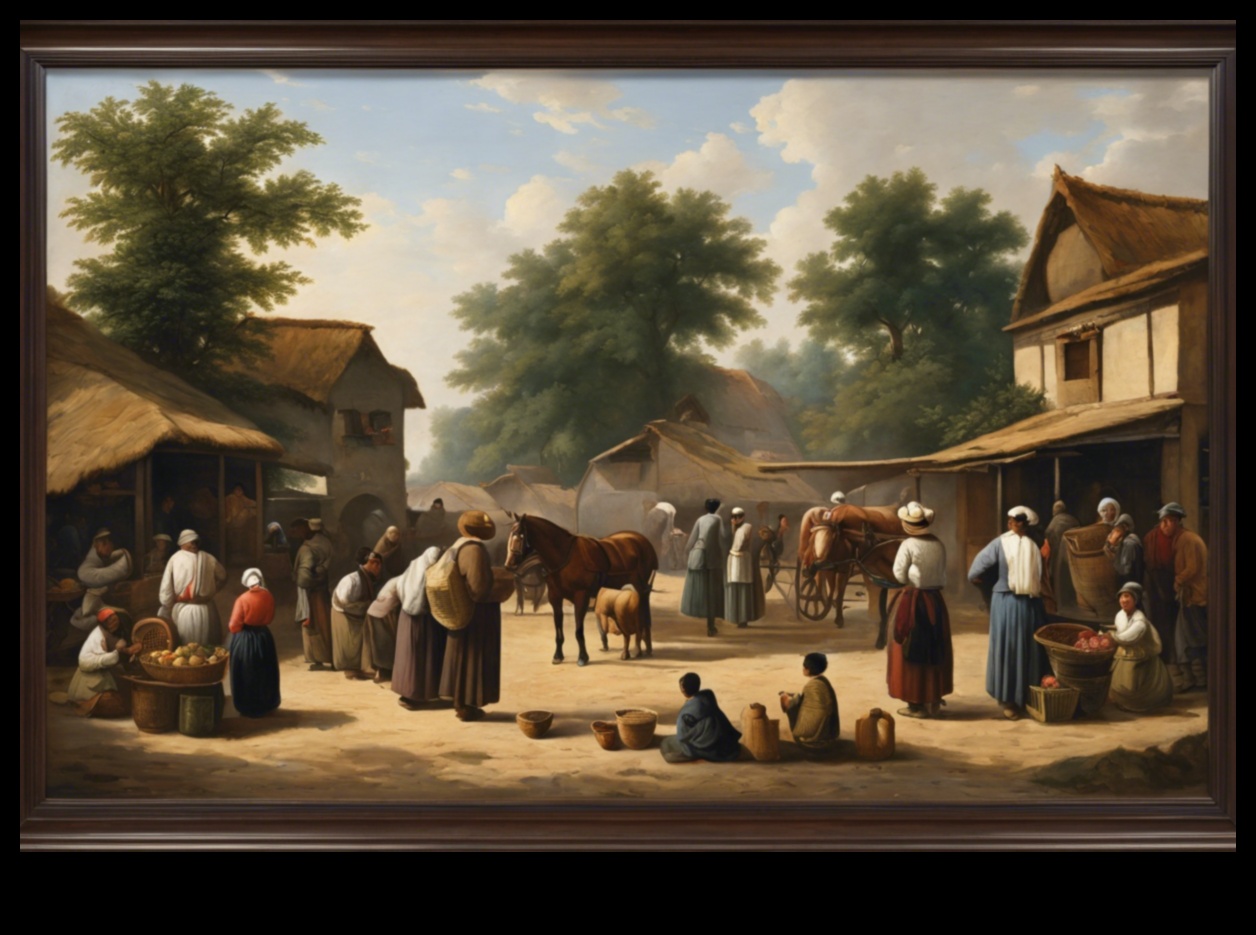
Realism is a style of art that seeks to represent the real world in an accurate and objective way. It is often contrasted with idealism, which seeks to idealize or romanticize the world. Realism emerged in the 19th century as a reaction against the prevailing Romanticism movement, which emphasized emotion and imagination over realism.
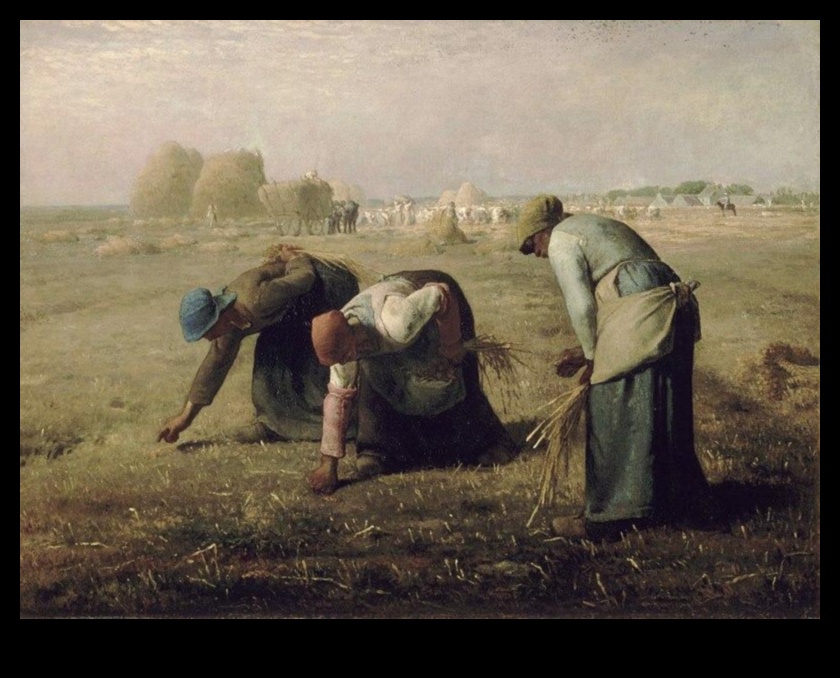
Realist artists sought to depict the world as it was, without embellishment or exaggeration. They were interested in capturing the everyday lives of ordinary people, and they often painted scenes from rural areas or urban slums.
Realism had a major impact on the development of modern art. It paved the way for Impressionism and other modernist movements, which further explored the possibilities of realism. Today, realism remains a popular style of art, and it is practiced by artists all over the world.
Realism
The origins of realism can be traced back to the Renaissance period, when artists began to depict the world in a more naturalistic way. However, it was not until the 19th century that realism truly emerged as a distinct style of art.
The first major realist movement was the French Realist movement, which flourished in the 1840s and 1850s. The leading figures of the French Realist movement included Gustave Courbet, Honoré Daumier, and Édouard Manet. These artists rejected the idealized and romanticized images of the Romantic movement, and they instead sought to depict the real world in an accurate and objective way.
The French Realist movement had a major impact on the development of realism in other countries. In the United States, the leading figure of the realist movement was Thomas Eakins. Eakins was a realist painter who specialized in depicting scenes from everyday life. His work was often controversial, but it helped to establish realism as a major force in American art.
In the 20th century, realism continued to evolve and develop. The leading figures of the realist movement in the 20th century included Edward Hopper, Andrew Wyeth, and Chuck Close. These artists explored the possibilities of realism in new and innovative ways, and they helped to keep realism relevant in a changing world.
Different Types of Realism
There are many different types of realism, each with its own unique characteristics. Some of the most common types of realism include:
- Social realism: Social realism is a type of realism that focuses on the social conditions of the working class. Social realist artists often depict scenes from poverty-stricken neighborhoods or slums.
- Naturalism: Naturalism is a type of realism that emphasizes the scientific study of nature. Naturalistic artists often depict scenes from the natural world in a detailed and accurate way.
- Magic realism: Magic realism is a type of realism that combines realistic imagery with fantastical elements. Magic realist artists often depict scenes from everyday life that are infused with a sense of magic or wonder.
- Hyperrealism: Hyperrealism is a type of realism that is characterized by its extreme detail and accuracy. Hyperrealist artists often create paintings or sculptures that are so realistic that they appear to be photographs.
Realism in Art
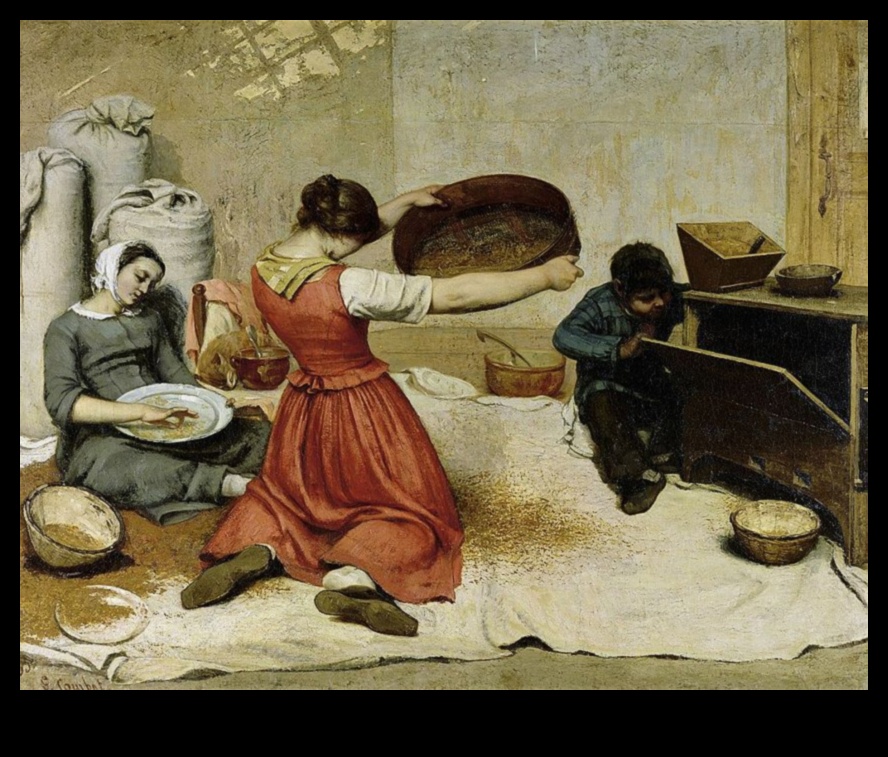
Realism has been a major force in art since the 19th century. Some of the most famous realist paintings include:
- Gustave Courbet’s The Stonebreakers (1849)
- Honoré Daumier’s The Third-Class Carriage (1862)
- Édouard Manet’s The Luncheon on the Grass (1863)
- Thomas Eakins’ The Gross Clinic (1875)
- Edward Hopper’s Nighthawks (1942)
- Andrew Wyeth’s Christina’s World (1948)
- Chuck Close’s Self-Portrait (1968)
– Focuses on everyday life and ordinary people
– Emphasizes accurate depiction of details
– Artists such as Caravaggio, Rembrandt, and Gustave Courbet are considered to be realists
– Realism was a major movement in art during the 19th century
– Realism was one of the major artistic movements of the Renaissance
– Renaissance artists such as Leonardo da Vinci, Michelangelo, and Raphael were known for their realistic paintings and sculptures
– Still lifes are often used to explore light, color, and texture
– Still lifes were popular among realist artists in the 19th century
– Impressionist artists sought to capture the fleeting effects of light and movement in their paintings
– Impressionism was a reaction against the realism of the 19th century
II. What is Realism?
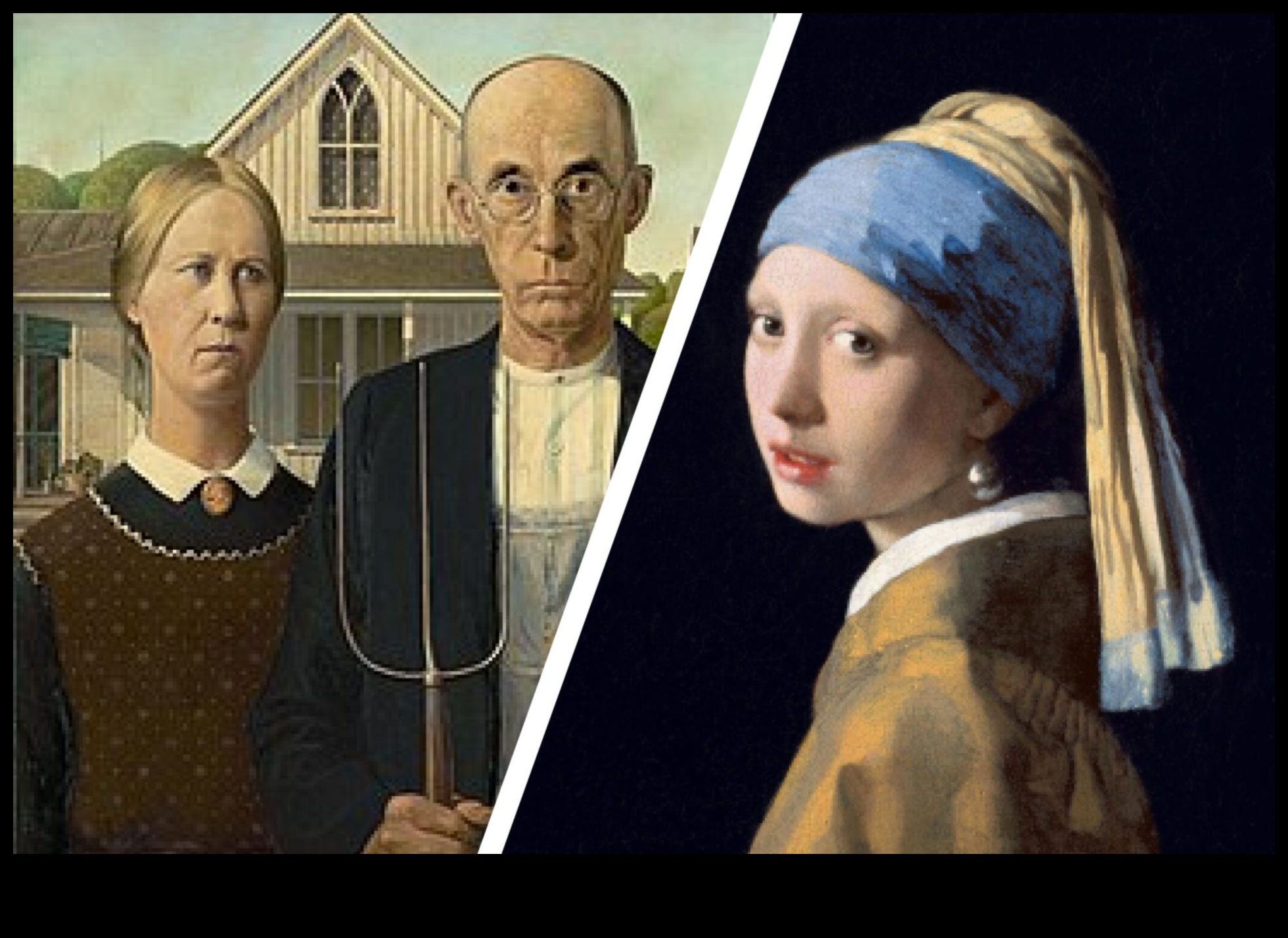
Realism is a term used to describe a style of art, literature, or philosophy that emphasizes the accurate representation of reality. In art, realism typically refers to works that depict everyday life in a detailed and naturalistic manner. In literature, realism is a literary movement that emerged in the 19th century and focused on depicting the lives of ordinary people in a realistic and objective manner. In philosophy, realism is the view that the world exists independently of our minds and that our knowledge of the world is derived from our experience of it.
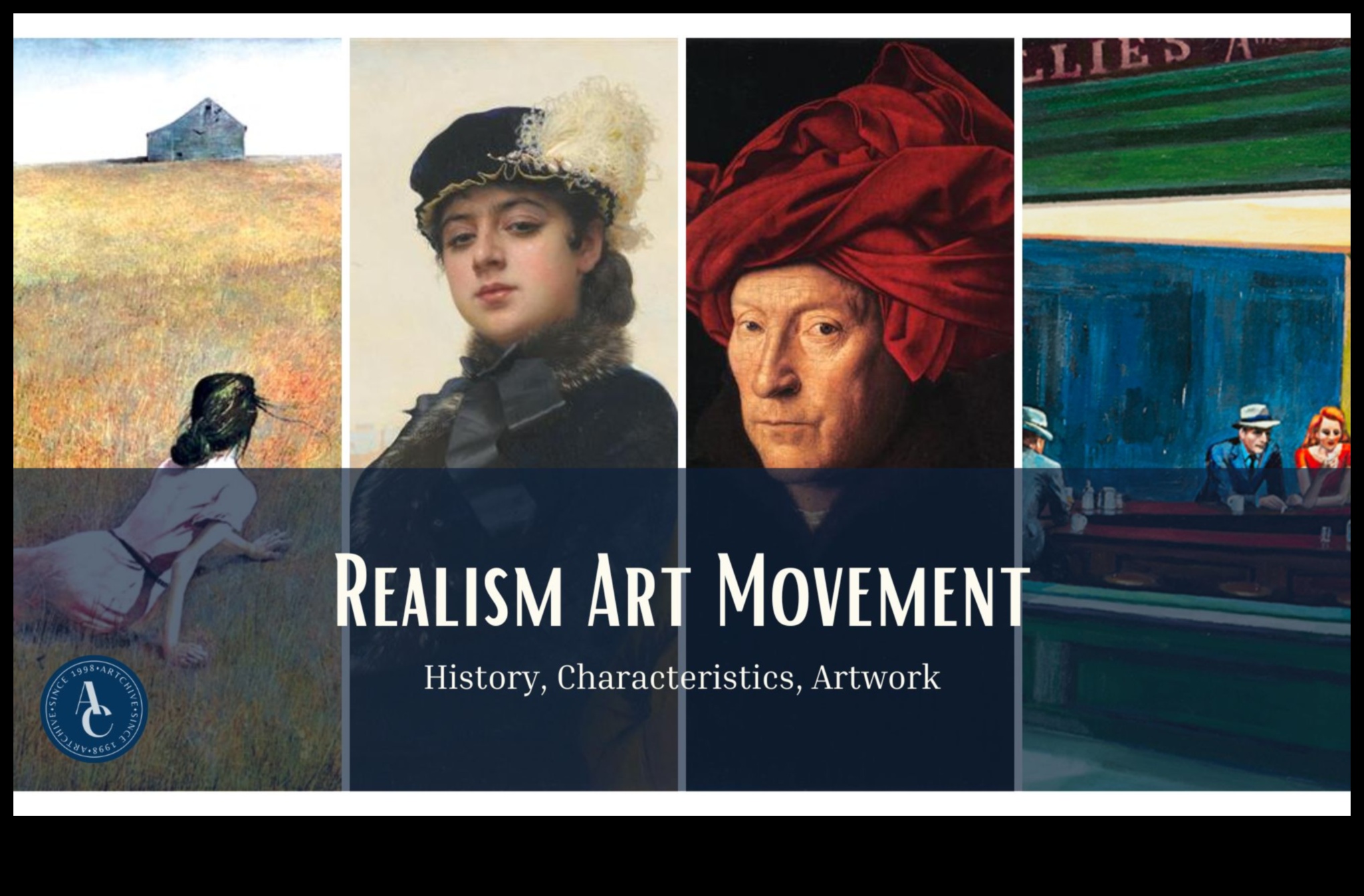
III. Realism
Realism is a term that has been used to describe a variety of artistic movements and styles that emerged in the 19th century. While there is no single definition of realism, it is generally understood to be a style of art that seeks to represent the real world in a truthful and accurate way.
The origins of realism can be traced back to the Renaissance, when artists began to move away from the idealized representations of the human figure that had been popular in the Middle Ages and towards a more naturalistic style. This trend continued in the 17th century with the work of Dutch painters such as Rembrandt and Vermeer, who created highly detailed and realistic paintings of everyday life.
In the 19th century, realism became a dominant force in art, with artists such as Gustave Courbet, Édouard Manet, and Claude Monet rejecting the traditional subjects of history painting and portraiture in favor of depicting ordinary people and everyday scenes. This new approach to art was seen as a reflection of the changing social and political conditions of the time, and it had a profound impact on the development of modern art.
Today, realism continues to be a popular style of art, and it is represented by a wide range of artists working in a variety of media. While there is no single definition of realism, it is generally understood to be a style of art that seeks to represent the real world in a truthful and accurate way.
IV. Different Types of Realism
There are many different types of realism, each with its own unique characteristics. Some of the most common types of realism include:
- Social realism: This type of realism focuses on the social conditions of the working class and the poor. It often depicts scenes of poverty, exploitation, and social injustice.
- Psychological realism: This type of realism focuses on the inner lives of characters and their psychological motivations. It often explores themes such as love, loss, and despair.
- Magic realism: This type of realism blends realistic and fantastical elements to create a dreamlike or surreal atmosphere. It often deals with themes such as spirituality, mythology, and the supernatural.
- Photorealism: This type of realism is characterized by its extreme attention to detail and its use of photographic techniques. It often depicts scenes of everyday life in a hyper-realistic style.
These are just a few of the many different types of realism that exist. Each type of realism has its own unique strengths and weaknesses, and it can be used to explore a wide range of themes and ideas.
V. Realism in Art
Realism in art is a movement that began in the 19th century and sought to depict the world in a realistic and objective manner.
Realist artists rejected the idealism and romanticism of the previous era, and instead focused on depicting everyday life in a truthful and unflinching way.
Some of the most famous realist artists include Gustave Courbet, Édouard Manet, and Claude Monet.
Realism had a profound impact on the development of modern art, and its influence can still be seen in the work of many contemporary artists.
VI. Realism in Literature
Realism in literature is a movement that emerged in the 19th century in response to the Romantic movement. Romanticism emphasized emotion and imagination, while realism emphasized objectivity and observation. Realist writers sought to portray the world as it really was,warts and all. They were interested in depicting the lives of ordinary people and the social conditions of their time. Some of the key figures in the realist movement include Charles Dickens, Gustave Flaubert, and Émile Zola.
Realism had a profound impact on the development of literature. It led to the rise of the novel as a major literary form, and it also influenced the development of other genres such as drama and poetry. Realism continues to be a major influence on literature today, and it is seen in the work of writers such as Toni Morrison, Margaret Atwood, and J. M. Coetzee.
VII. Realism in Philosophy
Philosophical realism is the view that the world exists independently of our minds and that our knowledge of the world is accurate and objective.
There are two main types of philosophical realism: direct realism and indirect realism. Direct realism is the view that we can directly perceive the world as it is, while indirect realism is the view that we can only indirectly perceive the world through our senses.
Direct realism has been defended by philosophers such as John Locke and George Berkeley, while indirect realism has been defended by philosophers such as David Hume and Immanuel Kant.
Philosophical realism has been challenged by a number of different philosophical schools of thought, including idealism, skepticism, and pragmatism.
Idealism is the view that the world is mental in nature, while skepticism is the view that we cannot know anything about the world with certainty. Pragmatism is the view that the truth of a proposition is determined by its practical consequences.
Despite these challenges, philosophical realism remains a popular and influential school of thought in philosophy.
Realism in Politics
Realism in politics is a school of thought that emphasizes the importance of power and national interests in international relations. Realists believe that states are the primary actors in international politics, and that they are motivated by a desire to survive and protect their interests. They argue that international law and institutions are not effective in restraining states from pursuing their own interests, and that war is a natural and inevitable part of international relations.
Realism has been a dominant school of thought in international relations since the 19th century. Its most famous proponents include Thomas Hobbes, Niccolò Machiavelli, and Hans Morgenthau. In recent years, realism has been challenged by the rise of constructivism and other schools of thought that emphasize the importance of ideas and norms in international relations.
Despite these challenges, realism remains a influential school of thought in international relations. It provides a useful framework for understanding the role of power and national interests in international politics, and it offers insights into the causes of war and the prospects for peace.
IX. Realism in Economics
Realism in economics is a school of thought that emphasizes the importance of empirical evidence and data in economic analysis. Realists argue that economic theories should be based on real-world observations, rather than on abstract models. They also believe that economic policies should be based on evidence, rather than on ideology.
Realism in economics has its roots in the work of the 19th-century economist William Stanley Jevons. Jevons argued that economics should be based on the scientific method, and that economic theories should be tested against empirical data.
In the 20th century, realism in economics was further developed by the work of Milton Friedman and other economists associated with the Chicago School of Economics. Friedman argued that economic theories should be as simple as possible, and that they should be tested against real-world data.
Today, realism in economics is one of the dominant schools of thought in economics. Realists argue that economic theories should be based on evidence, and that economic policies should be based on those theories.
Frequent Questions
Q: What is realism in art?
A: Realism in art is a movement that emerged in the 19th century in response to the idealized and romanticized images of the past that were popular in the Romantic era. Realist artists sought to depict the world as it is, without idealization or embellishment.
Q: What are some of the different types of realism in art?
A: There are many different types of realism in art, but some of the most common include:
Social realism: This type of realism focuses on the everyday lives of ordinary people, often depicting the harsh realities of poverty and social inequality.
Naturalism: This type of realism focuses on the accurate depiction of nature, often using scientific methods to achieve a high degree of realism.
Magic realism: This type of realism combines realistic imagery with fantastical elements, creating a dreamlike or surreal atmosphere.
Q: What are some of the most famous realist artists?
A: Some of the most famous realist artists include:
Gustave Courbet: Courbet was a French painter who is considered to be one of the pioneers of realism in art. His work often depicted scenes of everyday life, such as landscapes, portraits, and still lifes.
Édouard Manet: Manet was a French painter who was influenced by Courbet’s realism. His work often depicted scenes of modern life, such as cafés, brothels, and racetracks.
Vincent van Gogh: Van Gogh was a Dutch painter who is considered to be one of the most influential artists of all time. His work is characterized by its bold colors, expressive brushstrokes, and emotional intensity.