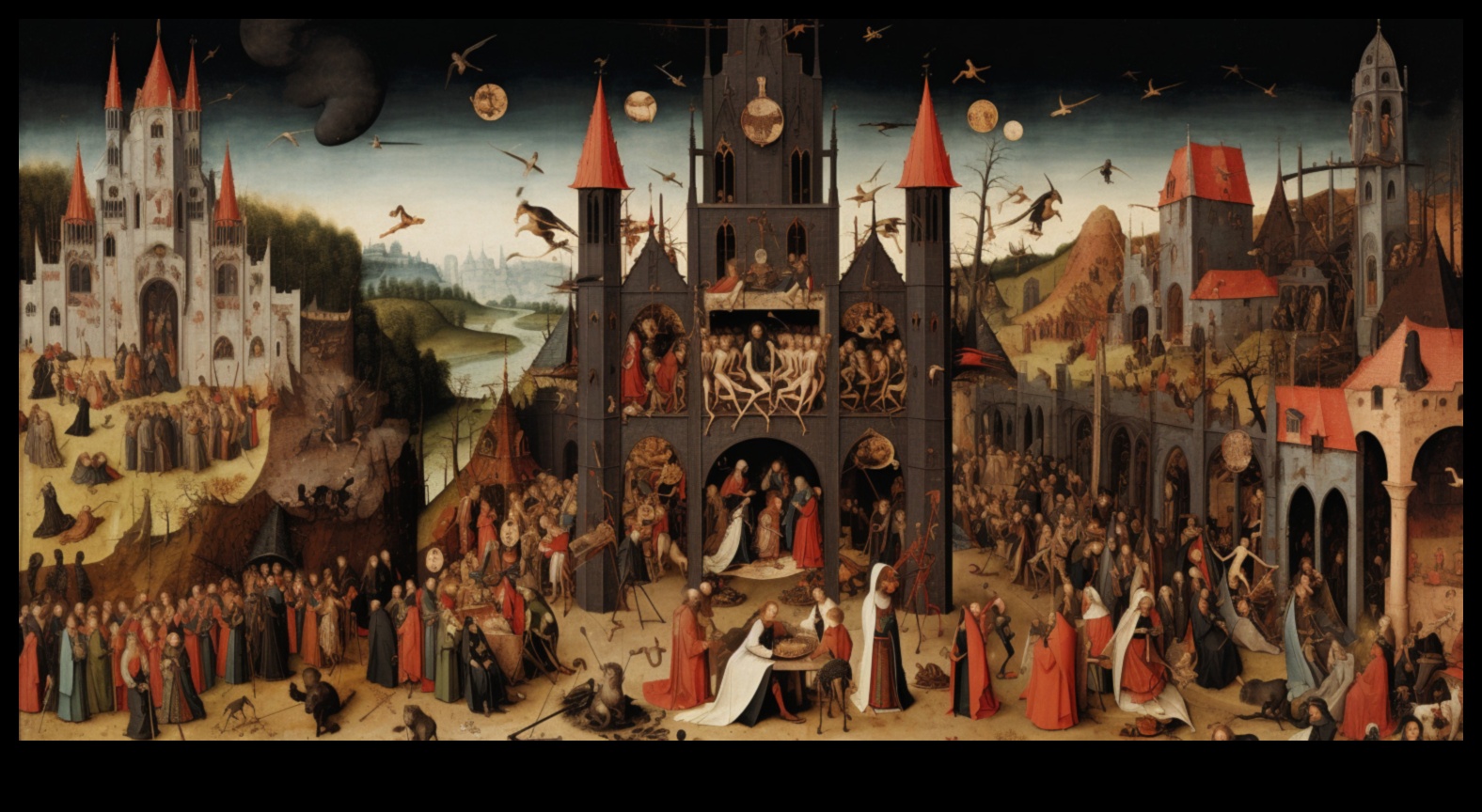
Gothic to Grace: The Aesthetic Evolution of Renaissance Artistic Styles
The Renaissance was a period of great artistic and cultural change in Europe. It began in Italy in the 14th century and spread to other parts of the continent over the next two centuries. During this time, there was a renewed interest in classical art and learning, and artists began to experiment with new techniques and styles.
One of the most striking differences between Gothic and Renaissance art is the use of light. In Gothic art, light is often used to create a sense of mystery and drama. In contrast, Renaissance artists used light to create a sense of realism and beauty. They also paid more attention to the details of their subjects, and their works are often more naturalistic than Gothic art.
Another important difference between Gothic and Renaissance art is the way that artists depicted the human figure. In Gothic art, the human figure is often depicted in a stylized way, with elongated proportions and exaggerated features. In contrast, Renaissance artists depicted the human figure in a more realistic way, with accurate proportions and natural features.
The Renaissance was a time of great artistic innovation, and many of the styles that developed during this period continue to influence art today. The following are some of the key characteristics of Renaissance art:
- Naturalism
- Humanism
- Idealism
- Perspective
- Sfumato
Naturalism is the accurate depiction of the natural world. Renaissance artists were interested in capturing the beauty of the human form and the natural world around them. They used their skills to create realistic and detailed representations of their subjects.
Humanism is the belief that humans are the most important part of the universe. Renaissance artists were interested in the human condition and the human experience. They often depicted their subjects in ways that were relatable and appealing to the viewer.
Idealism is the depiction of an ideal or perfect form. Renaissance artists were interested in creating works of art that were beautiful and perfect. They often used idealized figures and proportions to create works that were both aesthetically pleasing and thought-provoking.
Perspective is the use of linear perspective to create a sense of depth and space. Renaissance artists were the first to use linear perspective in a systematic way. They used this technique to create realistic and illusionistic works of art.
Sfumato is the use of soft, hazy edges to create a sense of mystery and atmosphere. Renaissance artists used this technique to create works of art that were both realistic and evocative.
The Renaissance was a time of great artistic and cultural change, and its influence can still be seen in art today. The following are some of the key figures of Renaissance art:
- Leonardo da Vinci
- Michelangelo
- Raphael
- Donatello
- Giorgione
These artists were all masters of their craft, and their works of art continue to inspire and amaze people today.
The Renaissance was also influenced by a number of other artistic movements, including the Gothic, Byzantine, and Islamic traditions. These influences can be seen in the use of religious imagery, the use of gold leaf, and the use of intricate ornamentation.
The Renaissance had a profound impact on the development of art and culture in Europe. It was a time of great creativity and innovation, and its legacy continues to shape the world we live in today.
| Renaissance Art | Gothic Art |
|---|---|
| Architecture | Features pointed arches, ribbed vaults, and flying buttresses |
| Painting | Focuses on religious subjects, often using gold leaf and tempera |
| Sculpture | Uses realistic human figures, often in relief or freestanding |
| Features | Emphasizes harmony, proportion, and perspective |
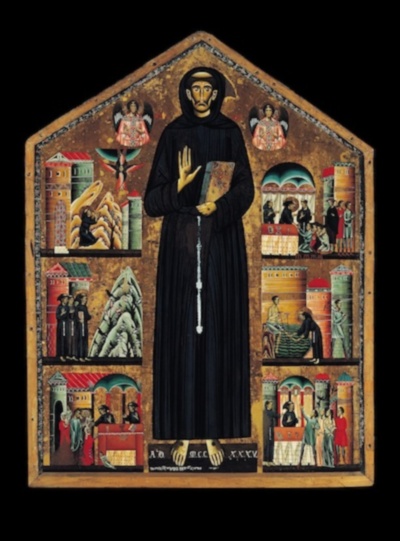
II. Renaissance art definition
Renaissance art is the art of the period between the 14th and 17th centuries in Europe, a period that saw a revival of classical learning and culture.
The Renaissance is often seen as a turning point in European history, as it marked the end of the Middle Ages and the beginning of the modern era.
Renaissance art is characterized by its realism, its focus on human figures, and its use of perspective.
Renaissance artists were inspired by the art and architecture of ancient Greece and Rome, and they sought to create works that were both beautiful and meaningful.
Renaissance art had a profound impact on later artistic movements, and it continues to be admired and studied today.
III. Characteristics of Renaissance art
The characteristics of Renaissance art are as follows:
- Humanism: Renaissance artists focused on the human figure and human emotions, rather than on religious or mythological subjects.
- Naturalism: Renaissance artists strove to create realistic representations of the natural world, using techniques such as perspective and chiaroscuro.
- Idealism: Renaissance artists idealized their subjects, depicting them as beautiful and perfect.
- Harmony: Renaissance artists sought to create harmony and balance in their works, using symmetrical compositions and pleasing colors.
- Rhythm: Renaissance artists used rhythm to create movement and excitement in their works, using flowing lines and repeated shapes.
IV. Timeline of Renaissance art
The Renaissance is a period of European history that began in the 14th century and lasted until the 17th century. It is often divided into three periods: the Early Renaissance (14th century), the High Renaissance (15th century), and the Late Renaissance (16th century).
The following is a timeline of some of the major events in the history of Renaissance art:
- 1300: Giotto begins work on the Scrovegni Chapel in Padua, Italy.
- 1320: Simone Martini paints the Annunciation in the Palazzo Pubblico in Siena, Italy.
- 1337: The Hundred Years’ War begins between England and France.
- 1401: Brunelleschi begins work on the dome of the Florence Cathedral.
- 1425: Masaccio paints the Holy Trinity in the Church of Santa Maria Novella in Florence, Italy.
- 1453: The fall of Constantinople to the Ottoman Turks marks the end of the Byzantine Empire.
- 1492: Christopher Columbus arrives in the Americas.
- 1504: Michelangelo begins work on the Pietà in St. Peter’s Basilica in Rome, Italy.
- 1513: Leonardo da Vinci paints the Mona Lisa.
- 1527: The Sack of Rome by the troops of Charles V, Holy Roman Emperor, marks the end of the High Renaissance.
- 1545: The Council of Trent begins, which leads to a renewed emphasis on religious art.
- 1600: The death of Caravaggio marks the end of the Late Renaissance.
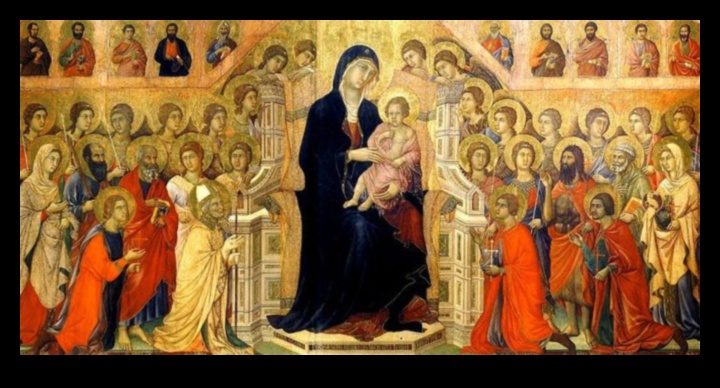
V. Key figures of Renaissance art
The following is a list of some of the key figures of Renaissance art, along with their most famous works:
- Leonardo da Vinci (1452-1519): Mona Lisa, The Last Supper
- Michelangelo (1475-1564): David, Pietà
- Raphael (1483-1520): The School of Athens, Madonna of the Goldfinch
- Donatello (1386-1466): David, The Pietà
- Giorgione (1477-1510): The Tempest, The Sleeping Venus
- Titian (1488-1576): Bacchus and Ariadne, Venus of Urbino
- Caravaggio (1571-1610): The Calling of Saint Matthew, The Entombment of Christ
- Vermeer (1632-1675): Girl with a Pearl Earring, The Milkmaid
- Rembrandt (1606-1669): The Night Watch, The Anatomy Lesson of Dr. Tulp
These are just a few of the many great artists who worked during the Renaissance period. Their work has had a profound impact on the development of Western art, and their legacy continues to inspire artists to this day.
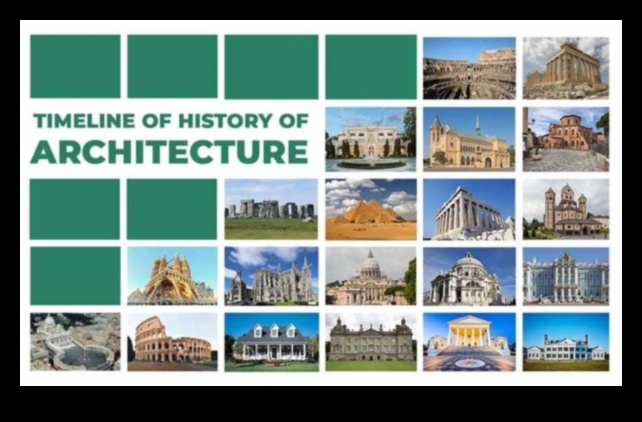
VI. Influences on Renaissance art
The Renaissance was a time of great cultural and intellectual change, and the art of the period was influenced by a wide range of sources. These included the art of the Classical world, the work of Northern European artists, and the new scientific and philosophical ideas of the time.
The art of the Classical world was a major influence on Renaissance artists, who looked to the ancient Greeks and Romans for inspiration. They admired the clarity of form, the realism, and the sense of proportion in Classical art, and they sought to emulate these qualities in their own work.
Northern European artists also had a significant influence on Renaissance art. These artists brought a new sense of realism and naturalism to their work, and they were particularly interested in depicting the everyday lives of ordinary people. Their work had a major impact on the development of Renaissance painting, sculpture, and architecture.
The new scientific and philosophical ideas of the Renaissance also had a profound impact on art. Artists began to explore the natural world in greater detail, and they were increasingly interested in depicting the human figure in a realistic way. They also began to experiment with new techniques and materials, such as oil paint and perspective.
The influences on Renaissance art were varied and complex, but they all contributed to the creation of a new and vibrant artistic style that would have a lasting impact on Western art.
VII. Impact of Renaissance art
The impact of Renaissance art was far-reaching, affecting not only the subsequent development of art in Europe, but also the wider culture and society.
Some of the key ways in which Renaissance art impacted European culture and society include:
- The rise of individualism and secularism. Renaissance art celebrated the individual human being, and its focus on realism and naturalism reflected the growing importance of the individual in society.
- The development of new artistic techniques and styles. Renaissance artists experimented with new techniques and styles, which led to a more expressive and naturalistic approach to art.
- The spread of education and literacy. Renaissance art helped to promote education and literacy, as it was often used to illustrate religious texts and other works of literature.
- The rise of the middle class. Renaissance art appealed to the growing middle class, who were increasingly able to afford to buy art and commission works for their homes.
- The emergence of a new sense of beauty. Renaissance art helped to create a new sense of beauty, which was based on the ideals of harmony, proportion, and balance.
Renaissance art had a profound impact on the development of European culture and society, and its influence can still be seen today.
Renaissance art today
Renaissance art continues to be a source of inspiration for artists today. The renewed interest in classical forms and techniques that characterized the Renaissance has led to a number of new artistic movements, including Neoclassicism, Romanticism, and Impressionism. In addition, many contemporary artists have drawn inspiration from the Renaissance’s emphasis on human expression and individualism.
Some of the most famous works of Renaissance art include Leonardo da Vinci’s Mona Lisa, Michelangelo’s David, and Raphael’s School of Athens. These works continue to be admired for their beauty, technical skill, and psychological insight. They have also had a profound impact on the development of Western art, and their influence can be seen in the work of artists from all over the world.
The Renaissance was a time of great artistic innovation and creativity. The works of art that were produced during this period continue to inspire and awe us today. They are a testament to the human spirit and the power of creativity.
The Renaissance was a period of great artistic and intellectual achievement. It saw the development of new styles of art, architecture, and literature, and the emergence of a new understanding of the human world. The Renaissance was a time of optimism and hope, and its legacy continues to inspire us today.
Common Questions
Q: What is Renaissance art?
A: Renaissance art is the art produced in Europe during the period between the 14th and 17th centuries. It is characterized by a renewed interest in classical antiquity, and a focus on realism and naturalism in painting, sculpture, and architecture.
Q: What are the characteristics of Renaissance art?
A: The characteristics of Renaissance art include:
- A renewed interest in classical antiquity
- A focus on realism and naturalism
- A greater emphasis on perspective and proportion
- A more naturalistic depiction of human figures
- A greater use of light and shadow
Q: What are some key figures of Renaissance art?
Some key figures of Renaissance art include:
- Leonardo da Vinci
- Michelangelo
- Raphael
- Donatello
- Giorgione